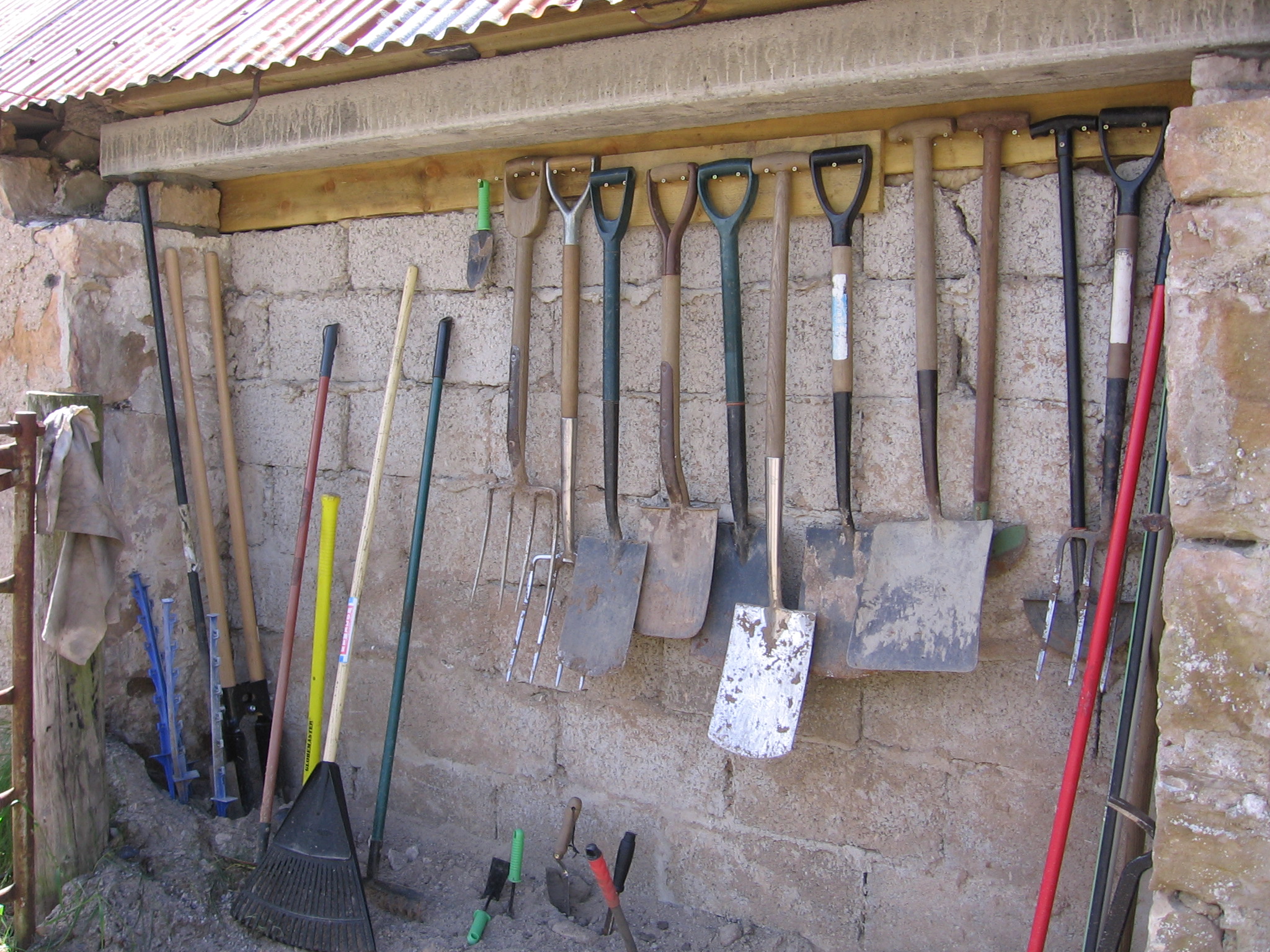
Picking the correct hand tool before breaking ground saves time and physical strain over an entire growing season. The Polish vegetable plot — whether an allotment strip (działka) or a backyard raised bed — usually involves at least three distinct soil tasks: initial deep digging, surface preparation and ongoing cultivation between rows. Each task favours a different implement, and the choice becomes clearer once you know what your soil is made of.
Spades versus forks: the first decision
A standard spade with a flat blade works well in friable loam or sandy soil where the blade can slice cleanly. In heavier clay — common across central Poland's lowlands — a garden fork penetrates more effectively because the tines reduce the contact surface and allow the tool to be levered without the suction effect that makes clay digging exhausting. Most experienced gardeners keep both: a flat-bladed spade for edging, transplanting and mixing in amendments, and a digging fork for initial cultivation in clay-heavy ground.
Handle length is frequently underestimated. A 90 cm handle suits people between 160–175 cm tall; anyone taller benefits from a 100–110 cm version to keep the back straight during repetitive digging. Handles made from ash wood absorb vibration better than fibreglass alternatives, though fibreglass handles last longer in damp storage conditions. Stainless steel heads resist rust and require no oiling, while carbon steel heads hold a sharper edge and are notably cheaper.
Hoes and their specific uses
Three hoe types appear regularly in Polish kitchen gardens. The flat draw hoe (motyka) is the most common: a wide blade pulled toward the user to sever weeds just below the soil surface. It covers ground quickly but disturbs surface moisture more than alternatives. The stirrup hoe (oscillating blade) cuts in both the push and pull direction, which is useful in narrow rows of carrots or parsley where speed matters. The warren hoe, with its pointed blade, opens seed drills and makes precise planting holes — a worthwhile addition once you move beyond casual sowing.

Cultivators and hand rakes
A long-handled cultivator with three or five tines is the most frequently used tool between planting and harvest. It loosens a centimetre or two of surface crust without bringing weed seeds to light the way deeper digging does. In a 30 m² plot, a daily five-minute pass with a cultivator after irrigation keeps compaction from forming and slows weed establishment dramatically compared with plots left untouched between watering sessions.
Hand rakes (20–30 cm head width) are useful for surface levelling before sowing and for incorporating granular fertiliser without burying it. A leaf rake serves a different purpose — clearing path surfaces and collecting mulch — and should not substitute for a soil rake in seedbed preparation, as the flexible tines do not level adequately.
Smaller implements: trowels, dibbers and hand forks
A solid-socket trowel (meaning the handle continues into the blade without a join point) withstands repeated prying in stony ground. Budget trowels with tang-and-ferrule construction bend at the join within one or two seasons of regular use. For transplanting brassica seedlings into pre-prepared holes, a dibber — a pointed wooden or metal rod — is faster than a trowel and disturbs surrounding soil minimally.
A hand fork with three flat tines works well for loosening soil around established plants without damaging shallow roots. It is also effective for incorporating top-dressings of compost around perennial herbs.
Buying considerations in Poland
Polish agricultural cooperatives (sklepy ogrodnicze) and hardware chains carry tools across a wide price spectrum. At the lower end, imported tools with painted blades rust within a season if not dried after use. Mid-range domestic brands such as Fiskars (manufactured for the Polish market) and BIO-TEAM offer adequate durability. For those who garden intensively, German-made tools from Gardena or Freund tend to outlast cheaper alternatives by a significant margin when properly maintained — stored dry, cleaned of soil after each session and periodically oiled at metal-to-wood junctions.
Tool weight matters considerably if the plot is worked by older adults or people with joint conditions. A long-handled fork for heavy digging weighs between 1.2–2.0 kg; choosing the lighter end without sacrificing blade quality is possible at mid-range price points. Several manufacturers now offer ergonomic grips and angled handles that reduce wrist rotation — these are worth examining in a physical shop before purchasing online.
Maintenance extends lifespan significantly
Sharpening a spade with a file takes under three minutes and reduces digging effort noticeably. A garden trowel benefits from the same treatment. Storing tools in a dry shed rather than against an exterior wall extends their working life by years. A bucket of oily sand (builder's sand with a few tablespoons of linseed oil mixed in) — a common allotment practice — cleans and lightly oils blades simultaneously when tools are plunged in and withdrawn a few times after use.
For further reference on hand tool specifications and maintenance, the Royal Horticultural Society's tool guide provides detailed descriptions applicable to European growing conditions.