
A raised bed constructed at the right dimensions and filled with a considered soil mix produces notably better results in the first season than ground-level plots on unamended native soil. The elevation improves drainage, the loose fill gives roots unrestricted growth, and defined edges prevent the gradual compaction that accumulates when gardeners step across open plots. In Polish conditions — where springs arrive quickly and soils in many regions are either heavy clay or sandy loam — raised beds even out the extremes.
Dimensions: width, length and height
The most important dimension is width. A bed accessible from both sides should not exceed 120 cm; one accessible from a single side should stay within 60–70 cm. These figures allow a gardener to reach the centre without placing a knee or foot on the bed surface. Compaction inside a raised bed defeats much of its purpose, so this constraint deserves priority over the desire for an aesthetically wide structure.
Length is largely unrestricted and commonly runs from 2.4 m (two standard plank lengths) to 4 m. Beds longer than 4 m are harder to manage with a single person and benefit from cross-supports at mid-span if the walls are made from planks rather than solid timber or stone. The typical raised height in Polish allotments is 20–30 cm above ground level. This is enough to produce meaningful drainage improvement without requiring large volumes of fill material. Beds intended for root vegetables — carrots, parsnips — benefit from 40 cm or more of loose, stone-free growing medium.
Frame materials and joinery
Untreated Douglas fir or larch planks are the most practical framing choice: both resist decay longer than pine without requiring chemical preservatives that can leach into growing soil. Planks 38–50 mm thick hold their shape through several freeze-thaw cycles without warping significantly. Avoid railway sleepers treated with creosote; while durable, creosote compounds are classified as hazardous and should not contact soil used for food crops.
Corner joinery using galvanised L-brackets is the fastest method and holds adequately for beds up to 80 cm high. For taller constructions or beds on slopes, through-bolted corner posts (75 × 75 mm or larger) driven 30–40 cm into the ground provide significantly better lateral resistance. The wall panels then fasten to the posts rather than to each other, and the overall structure remains square even after the ground softens in spring thaw.

Base preparation and drainage layer
If the bed sits on existing compacted soil or grass, the top 10–15 cm of native soil should be loosened with a fork before the frame is set. This improves root penetration into the ground below as plants mature. Laying a layer of cardboard directly on the loosened soil and grass suppresses existing vegetation without chemicals; it degrades within a single season and adds organic matter to the base layer.
Above the cardboard, a 5–8 cm layer of coarse gravel or broken terracotta improves drainage in sites with slow-draining subsoil. This is worth adding only if the site is observed to hold standing water after rain. On free-draining sandy sites, the gravel layer is unnecessary and simply displaces the growing medium upward.
Filling the bed: soil mix ratios
A well-balanced raised bed fill for vegetable production typically combines three components: topsoil (approximately 40% of volume), compost (40%) and a perlite or horticultural grit component (20%) for aeration. Pure topsoil compacts quickly; pure compost lacks the mineral content young plants need and can cause nitrogen imbalances when wet; the aeration component keeps the mix open for root development and prevents waterlogging after heavy rain.
In Poland, bagged garden compost is available from most agricultural suppliers from March onward. Local compost from a municipal facility is often cheaper by the cubic metre and adequate for backfilling, though quality varies. For the top 10 cm — the seed-sowing zone — purchased compost is worth the premium over municipal material, as the particle size is more consistent and weed seed content is lower.
A pH test before filling guides lime or sulphur applications. Most vegetables prefer a pH of 6.0–7.0. Polish soils east of the Vistula tend toward slight acidity; adding 150–200 g of garden lime per square metre of fill brings pH up by approximately 0.5 units.
Compost and organic matter
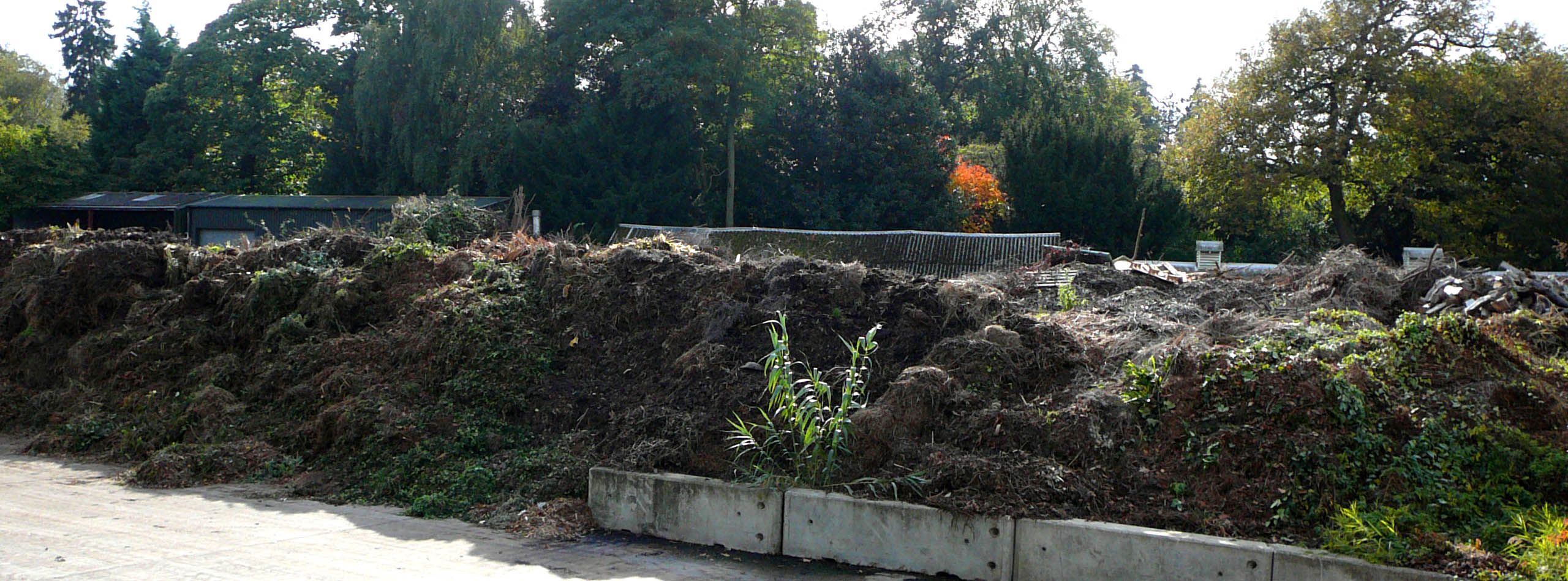
Establishing a compost system alongside the raised bed pays dividends from the second season onward. A two-bay wooden structure — one bay actively receiving fresh material, the other bay maturing undisturbed — produces usable compost within six to twelve months depending on material ratios, turning frequency and temperature. Carbon-rich materials (straw, cardboard, dry leaves) and nitrogen-rich materials (grass clippings, vegetable trimmings) mixed at roughly 3:1 by volume decompose at a pace that prevents the heap from going anaerobic and producing foul-smelling material.
Worm composting (vermicomposting) is a practical supplement for small spaces: a 60-litre worm bin processes kitchen scraps into a concentrated amendment applied at low rates. Worm castings applied at 100–150 g per square metre of bed surface at planting time measurably improve early seedling growth — an observation documented in multiple European small-plot trials.
First-year planting and spacing
A newly filled raised bed often settles 5–8% in volume during the first season as organic matter compresses and microbial activity begins. Topping up with compost in autumn or the following spring maintains the fill depth. Planting in the first season can proceed normally; the settlement does not affect plant establishment. Spacing in raised beds is generally tighter than in conventional row gardening — lettuce at 20 cm intervals, bush beans at 15 cm, tomatoes at 45 cm — as the improved soil structure supports higher density plantings than compacted ground.
For authoritative guidance on pH management and compost composition, the University of Florida IFAS Extension publishes freely available soil management fact sheets with data applicable across temperate climates.